
Franklin County Arrest Warrants Explained
Massachusetts Criminal Procedure Rule 6 governs how the District and Superior courts issue warrants in Franklin County. The document is signed. It names or describes the person, states the substance of the offense, and commands an authorized officer to arrest that person and bring them before the court. The rule also handles the situation where a summons fails. A prosecutor can request a warrant or a resummons after a missed appearance, and that request is how many Franklin County warrants begin. Process may be executed anywhere in the Commonwealth, so the paper follows a person across county lines. Most local cases open in Greenfield District Court, while Superior Court takes felony and countywide matters after indictment. A federal warrant is a different animal entirely. It never appears in the state portal.
Greenfield Police and Sheriff Records Differ
One arrest creates records in more than one Franklin County office, and each office answers a different question. The Sheriff's records page routes police report requests to the agency that made the arrest. That is why the jail cannot produce a Greenfield incident report.
| Office | What it holds | What it will not do |
|---|---|---|
| Greenfield Police Department, 321 High Street | Arrest and incident reports for city arrests | Confirm court warrant status |
| Greenfield District Court clerk | Dockets, defaults and case scheduling | Give legal advice |
| FCSO Records Access, 160 Elm Street | Custody, admission and service records | Change a docket entry |
| U.S. District Court, Springfield | Federal dockets and process | Search state cases |
Federal matters sit with the Massachusetts district courts in Springfield, and that counter runs its own docket system and security rules. Locally, the Greenfield police page lists the records and court-related divisions handling Franklin County police paperwork.
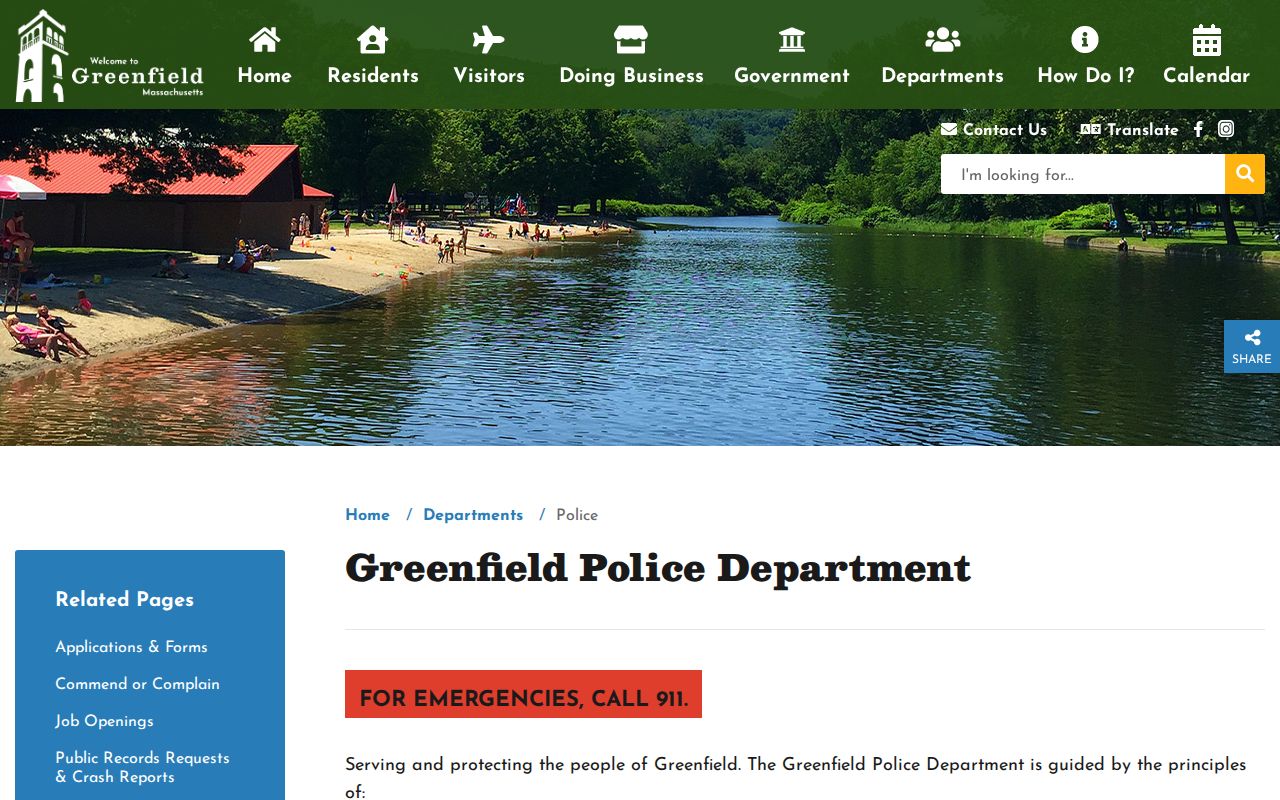
Start with the division that handled the arrest, then ask where that file went.
Inside a Franklin County Arrest Warrant
A Franklin County warrant and the arrest record that follows are two separate documents. The warrant describes the accusation. The record documents what happened when it was served.
| Case Number | The docket identifier, for example 1153CV000005, printed exactly as issued |
|---|---|
| Court and Division | Greenfield District Court code 41, or the Superior Court if the case was indicted |
| Person Named | Name or a description sufficient to identify the person |
| Offense | The substance of the charge, with a felony or misdemeanor designation |
| Command | The order to arrest and bring the person before the court |
| Return | The officer's record of service, entered on the docket |
Franklin County Arrest Warrant First Appearance
Custody starts the clock in Franklin County. The arresting agency transports the person under the applicable rules. The Sheriff's Office handles detention of pre-arraignment arrestees and transportation to court as part of its mission.
Process line: arrest, booking, transport, first appearance before the issuing or receiving court, and a release decision.
This is where bail and personal recognizance enter. State guidance says an unresolved default warrant carrying a potential penalty over 100 days, or a probation warrant, may require a judge before release. A bail magistrate can set conditions where the law allows. Note: missing an appearance after release on bail or recognizance can bring additional penalties of its own in Franklin County.
Serving Arrest Warrants in Franklin County
Service is the physical step that follows issuance in Franklin County. Deputies and police officers may execute process. The Sheriff's Civil Process Division lists warrants among the papers it serves, alongside restraining orders, summonses and capias warrants. Anyone with a service question can reach the process office at 101 Munson Street, Suite 124, Greenfield, MA 01301, by phone at 413-774-3235, or by email at process@fcso-ma.us. Hours run Monday through Friday from 8:00 a.m. to 4:00 p.m. That office explains the service channel and nothing more. It gives no legal advice and cannot tell a person how to get a case recalled.
Franklin County Arrest Warrants Are Not Convictions
An arrest warrant in Franklin County records an accusation a judge found sufficient to authorize process. The charge on a docket shows process, not an outcome. This matters because arrest records travel. A booking file, a docket entry and a warrant record each describe a different stage of a case. Reading any one of them and assuming a result is a mistake with lasting consequences. A disposition appears on the docket when a case ends. Until then, the record shows process rather than outcome.
Comparing Arrest, Summons, and Bench Warrants
Massachusetts courts reach people in more than one way. In Franklin County as elsewhere, the method shapes how much warning a person gets.
| Document | How it starts | What happens next |
|---|---|---|
| Summons | A charging document with a court date and no custody | Appear or respond; a warrant is possible if ignored |
| Arrest warrant | Judge authorizes signed process after a complaint or indictment | Arrest and bring the person before the court |
| Default warrant | A missed obligation in an existing case | Address the default with the issuing clerk |
| Probation warrant | Alleged probation violation or surrender | Court action, often with probation involved |
Rule 6 lets a court choose a resummons instead of a warrant in some circumstances. That flexibility is one reason two similar Franklin County cases can proceed differently.
Franklin County Default-Warrant Arrest Assessment
An arrest on a default warrant in Franklin County can carry a $75 assessment, though it is not automatic in every case. State material ties the charge to arrests following forfeited or defaulted bail or recognizance, or a probation surrender. The same material offers an indigency route that may involve a day of community service unless the person cannot perform it. A separate $50 assessment generally applies when a default warrant is recalled, and a court can waive it for good cause. Ask the clerk which assessments apply to your case before any payment. Keep the receipt afterward. The assessment schedule explains the $50 and $75 charges in full.
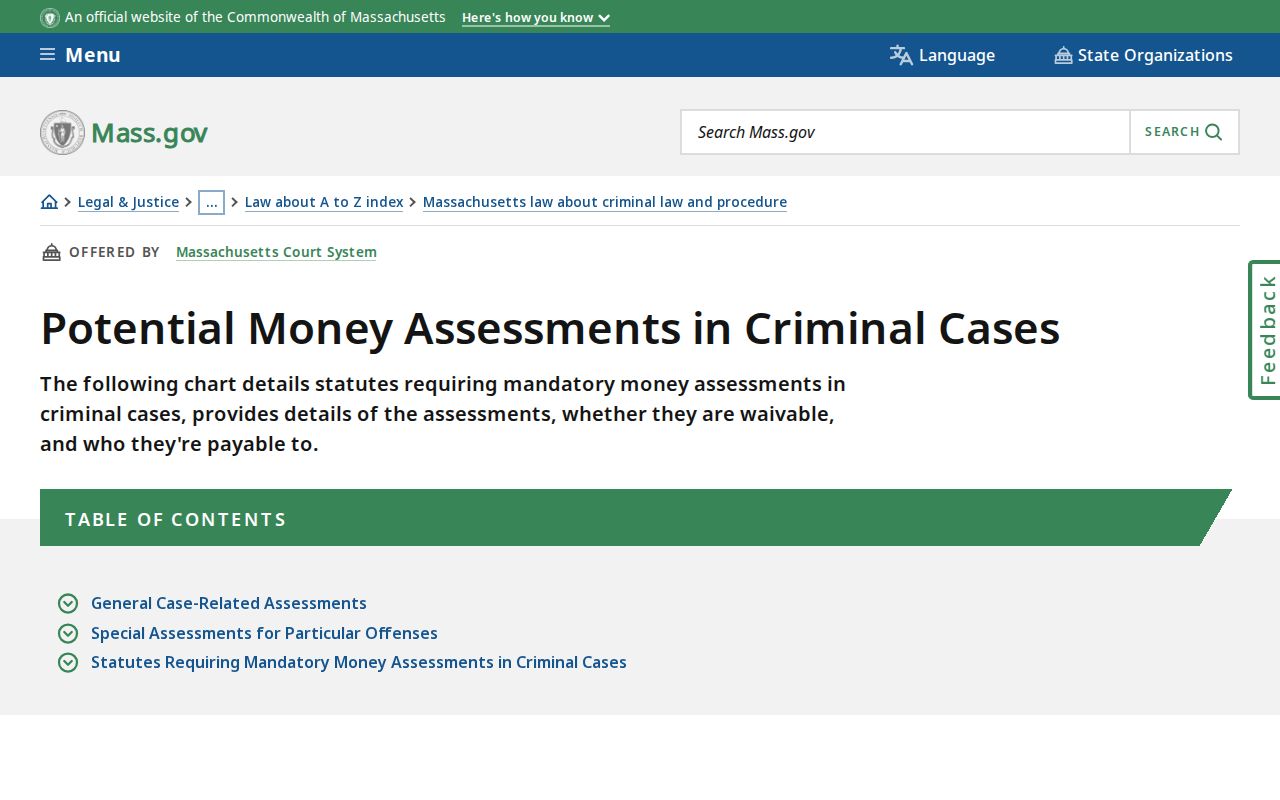
Neither amount is a bail payment.
If There's an Arrest Warrant for You
Call a lawyer first. Counsel can contact the Franklin County court, arrange a voluntary appearance, explain release conditions and ask about a recall. Walking into a police station without a plan rarely helps.
Do not drive on an active warrant. A traffic stop becomes an arrest, and the county overview page lays out the resolving steps that follow.
Franklin County warrant records gathers the recall, bond and assessment answers in one place. It covers what to ask the clerk and what written confirmation to request before you consider the matter closed.
Asking About a Relative's Franklin County Warrant
Courts will not discuss another adult's case with a relative who simply calls up. That boundary is deliberate. A family member in Franklin County can still help, though, as long as the person at the center of the matter agrees. Get the case number first. Ask whether the clerk will need proof of identity or written authorization before speaking with you. Then call the clerk, give the number, and ask one specific question about the warrant. The clerk decides what can be shared. For someone already in custody, the Sheriff's Office records line at 413-774-4014 can confirm custody and admission details. The issuing court stays the source for any Franklin County warrant status.